Introduction to BPC-157
BPC-157 is a synthetic peptide widely studied in laboratory research for its role in cellular signaling, angiogenesis-related pathways, and tissue-related experimental models. In controlled research environments, BPC-157 is frequently examined to investigate peptide stability, receptor interactions, and signaling responses across various in vitro and in vivo models.
Structurally, BPC-157 is a pentadecapeptide composed of fifteen amino acids derived from a partial gastric protein sequence. In laboratory research contexts, it is examined within broader peptide signaling frameworks involving cellular response pathways and protein-peptide interactions.
Peptides represent short chains of amino acids that function as signaling molecules in numerous biological systems. Synthetic peptides such as BPC-157 are frequently utilized in laboratory research to study molecular signaling mechanisms, cellular communication pathways, and peptide-protein interactions.
Within controlled research settings, BPC-157 has been examined in experimental models exploring intracellular signaling responses and peptide-mediated cellular interactions.
These investigations contribute to a broader understanding of peptide biology and how short amino-acid sequences may influence cellular processes within experimental environments.
Molecular Structure of BPC-157
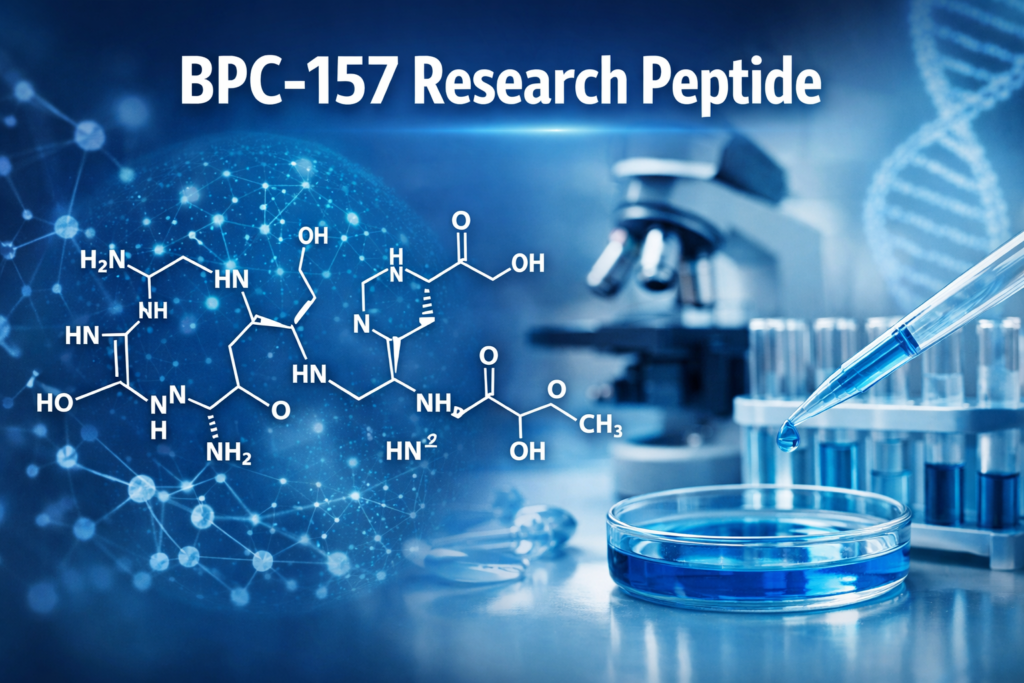
BPC-157 is a pentadecapeptide consisting of fifteen amino acids. The peptide sequence associated with BPC-157 is commonly represented as:
Gly-Glu-Pro-Pro-Pro-Gly-Lys-Pro-Ala-Asp-Asp-Ala-Gly-Leu-Val
This sequence contributes to the peptide’s structural stability and has made BPC-157 a subject of interest in peptide chemistry research.
Key molecular characteristics include:
Peptide Length: 15 amino acids
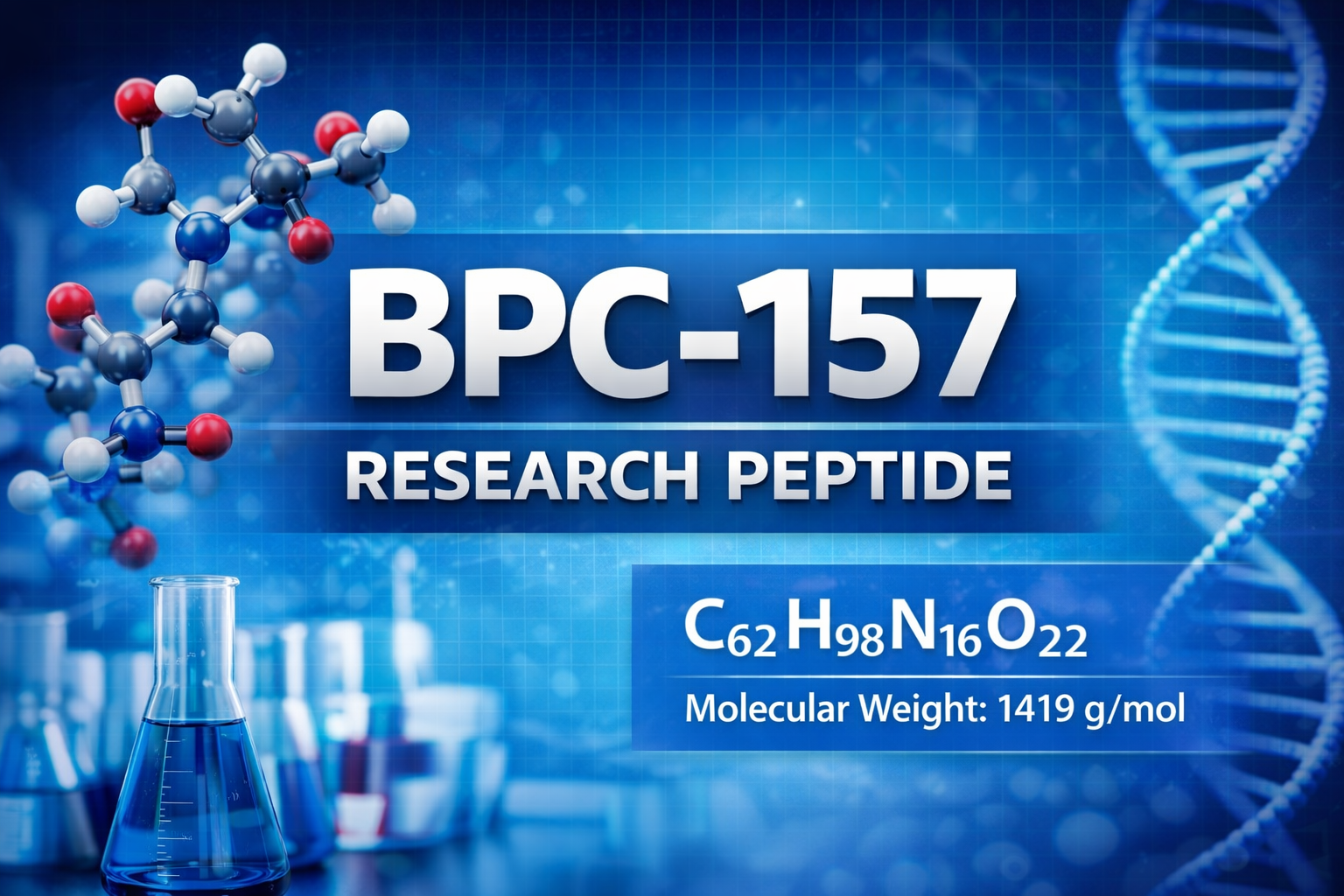
Molecular Formula: C62H98N16O22
Molecular Weight: ~1419 g/mol
CAS Number: 137525-51-0
These structural attributes allow researchers to investigate peptide folding patterns, intermolecular interactions, and stability under various laboratory conditions.
Peptide Stability and Laboratory Handling
In laboratory environments, peptides such as BPC-157 are commonly prepared in lyophilized (freeze-dried) form to improve long-term stability and storage viability.
Lyophilization removes water from the peptide material through a controlled freeze-drying process. This technique helps preserve peptide structure and reduces degradation during storage and transport.
General laboratory handling guidelines for lyophilized peptides include:
- Storage under refrigerated or frozen conditions depending on research protocol
- Minimizing repeated freeze-thaw cycles
- Maintaining sterile laboratory handling procedures
These practices are widely used in peptide research to maintain structural integrity prior to experimental use.
Peptide Signaling and Experimental Models
Peptides function as signaling molecules across numerous biological systems. In experimental research settings, synthetic peptides such as BPC-157 have been examined in relation to cellular signaling pathways and peptide-mediated interactions.
Peptide research often investigates how short amino-acid chains influence:
- Cellular communication pathways
- Protein-peptide binding interactions
- Signal transduction mechanisms
- Molecular stability within biological systems
Studies exploring BPC-157 contribute to broader investigations into how peptides interact with cellular receptors and regulatory proteins.
Research in this area remains focused on controlled laboratory models designed to examine peptide behavior at the molecular and cellular levels.
Synthetic Peptides in Laboratory Research
Synthetic peptides have become widely used tools in biochemical and molecular biology research. Their defined amino-acid sequences allow researchers to investigate specific structural and signaling properties within controlled environments.
Within experimental peptide biology, the BPC-157 research peptide is often referenced as a synthetic model compound used in peptide signaling and structural interaction studies.
Applications of synthetic peptides in research include:
- Protein interaction studies
- Receptor signaling investigations
- Molecular structure analysis
- Biochemical pathway research
Peptides such as BPC-157 serve as experimental materials used to better understand peptide-mediated cellular processes and peptide chemistry.
Relationship to Other Research Peptides
BPC-157 is one of many synthetic peptides studied within laboratory peptide research. Other commonly investigated peptides include compounds involved in signaling pathways, metabolic studies, and receptor-interaction models.
Research peptides are frequently grouped according to their structural class or research focus, including:
- Growth-factor associated peptides
- Hormone-related signaling peptides
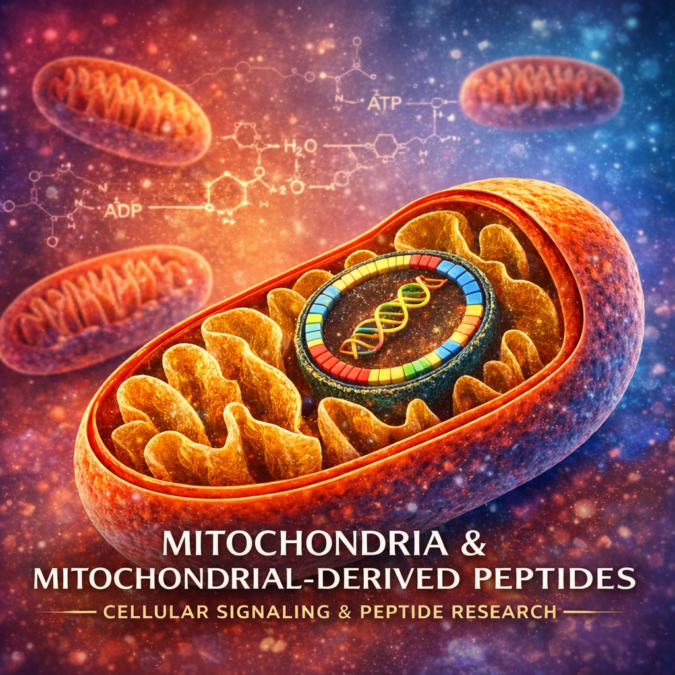
- Mitochondrial-derived peptides
- Metabolic signaling peptides
These peptide classes contribute to the broader field of peptide biology and molecular signaling research. BPC-157 is often studied alongside peptides such as TB-500 in laboratory models examining cellular signaling and migration pathways.
Ongoing Research in Peptide Biology
Advances in peptide chemistry and molecular biology continue to expand understanding of peptide-mediated signaling processes.
Current areas of peptide research include:
- Structural peptide analysis
- Peptide-receptor interaction mechanisms
- Cellular signaling pathways
- Synthetic peptide stability and formulation
Laboratory investigations involving peptides such as BPC-157 contribute to expanding knowledge of peptide function within experimental biological systems. Peptide signaling research may also intersect with mitochondrial-derived peptide pathways in broader cellular studies.
Conclusion
BPC-157 is a synthetic pentadecapeptide that has become a subject of interest within laboratory peptide research due to its defined amino-acid sequence and structural stability. Studies referencing BPC-157 contribute to broader investigations into peptide-mediated signaling pathways, protein-peptide interactions, and molecular stability within experimental biological systems. Continued research into synthetic peptides helps expand scientific understanding of peptide chemistry and cellular signaling mechanisms within controlled laboratory environments.
References
Sikiric P, et al. (2013). Stable gastric pentadecapeptide BPC 157: Review of experimental studies. Journal of Physiology and Pharmacology.
https://pubmed.ncbi.nlm.nih.gov/23697929/
Chang CH, et al. (2011). Molecular studies of peptide signaling pathways. Peptides.
hhttps://pubmed.ncbi.nlm.nih.gov/11752605/
Sikiric P, et al. (2016). BPC-157 peptide research overview. Current Pharmaceutical Design.
https://pubmed.ncbi.nlm.nih.gov/23755725/
Related Research Products
Research materials associated with synthetic peptide studies are organized within the following peptides and categories: